10 Major Developments of Japanese Warfare

The Sengoku Period, or Warring States Period, was a time of social upheaval and constant military conflict from the middle of the 15th century to the beginning of the 17th century.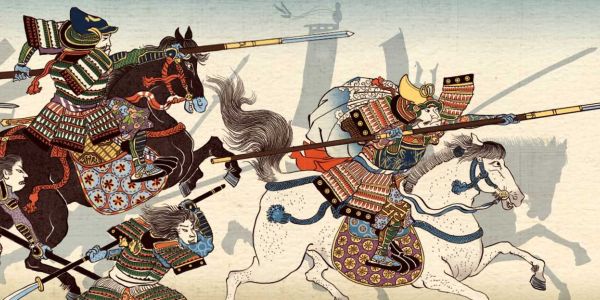
Over these 150 years of civil war, Japanese warfare developed significantly, with many notable changes:
1. The Shogun (military ruler) became as weak as the Emperor (ceremonial head of state)
2. Warfare between rival feudal barons (daimyo) became endemic
3. Armies increased in size from thousands to tens of thousands
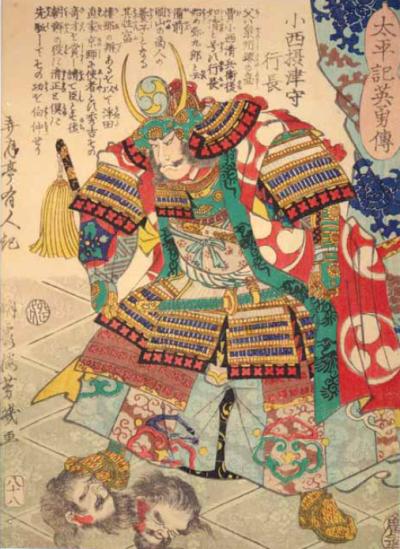
4. Samurai changed from being always mounted to often fighting on foot
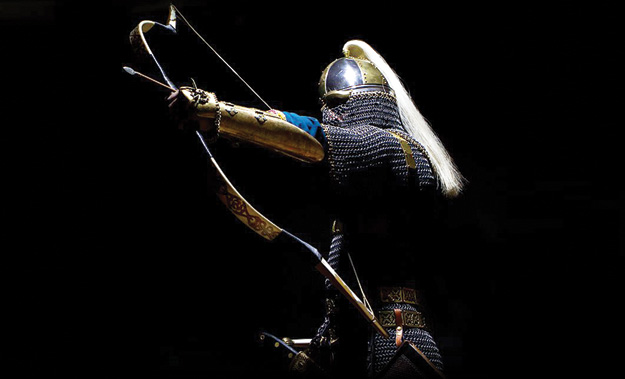
5. The sword replaced the longbow as the main samurai weapon
6. Samurai cavalry changed from being mainly skirmishers to being shock troops charging with lance and sword
7. Gunpowder and the hand-gun (or arquebus) was introduced
8. As well as samurai, armies now included well-drilled commoner infantry (ashigaru), armed with spears to form defensive phalanxes, and longbows and arquebuses to provide harassing fire
9. Fortifications became numerous and strong across the countryside, and siege warfare techniques developed
10. Strategy and tactics evolved to allow complex combined-arms operations by large armies