BACK TO THE DRAWING BOARD - The Biber Submarine
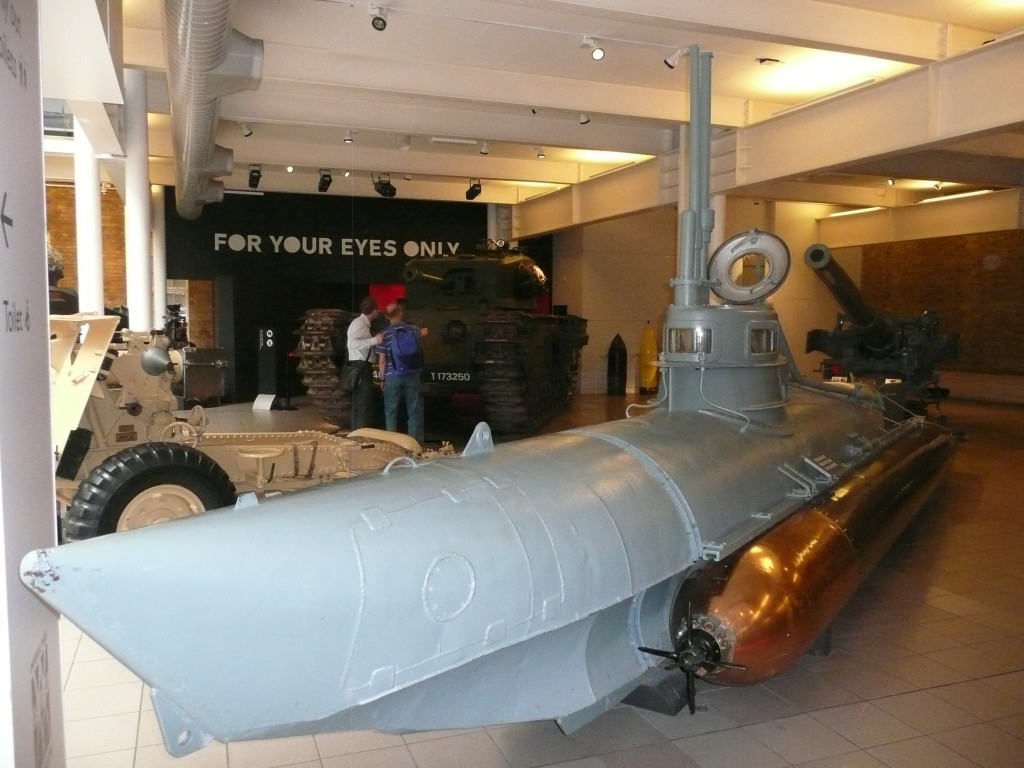
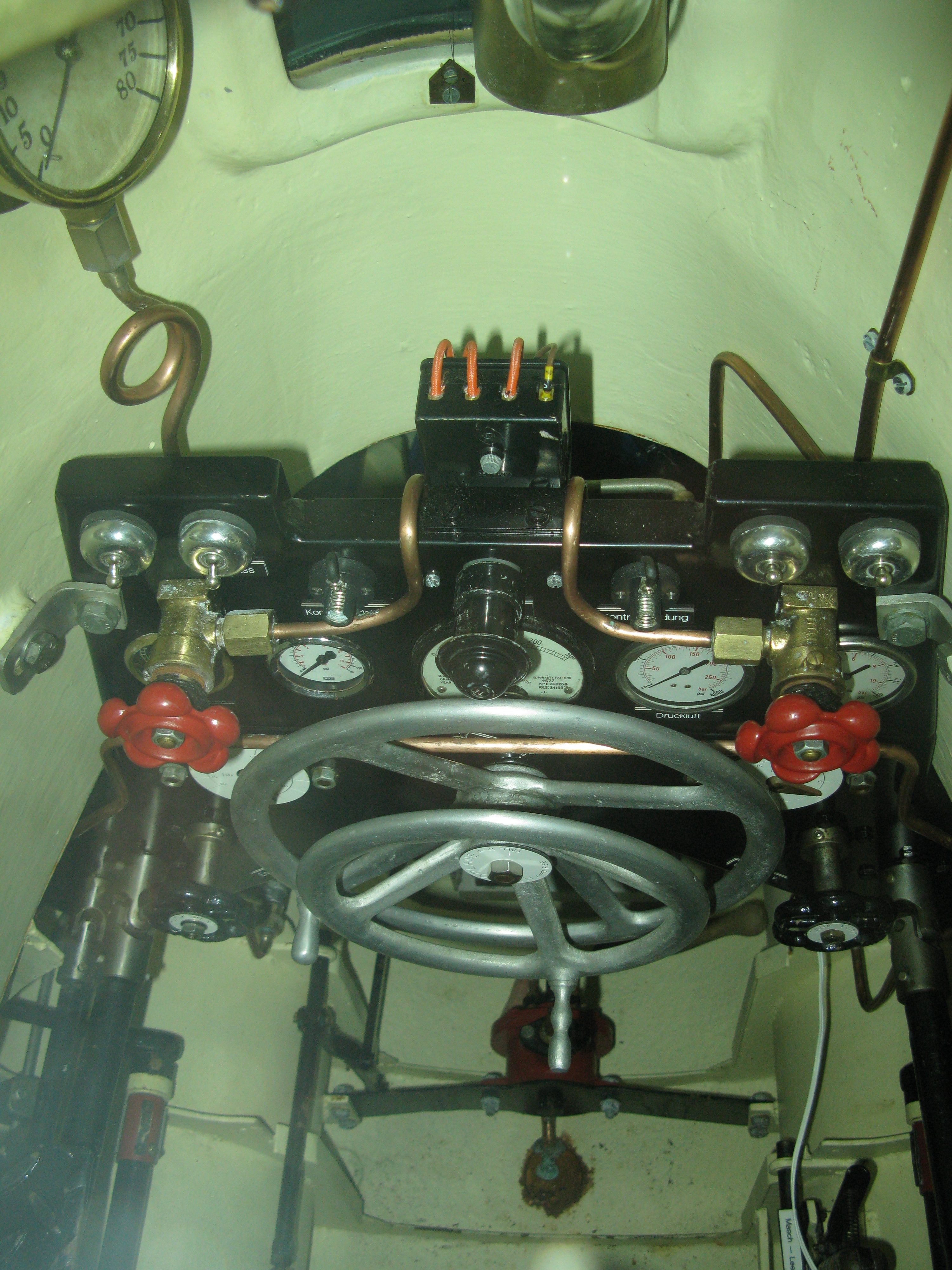
It is easy to understand why midget submarines appealed to the Kriegsmarine. Following 'Black May' in 1943, when 25% of the operational U-boats were lost in just one month, Germany was losing submarines faster than it could replace them. Midget submarines could be built quickly and cheaply, required just one operator, and were almost impossible to detect using ASDIC. In September 1943, midget submarines of the Royal Navy had crippled the battleship Tirpitz anchored in a Norwegian fjord. However, the Germans never saw the X-Craft actually used in the attack – and these had been substantially larger than the Welman with a four-man crew.
On 30 August 1944, with just three weeks' training, 20 Bibers set out from Fecamp in Normandy on their first patrol. They claimed a landing craft and Liberty ship, but no Allied losses were recorded, so this must have been wishful thinking. On the plus side, they all returned safely, a record that would not be repeated.
Having relocated to the Waal/Maas estuary in the Netherlands, Bibers claimed their one and only victory, sinking the cargo ship Alan A Dale on 23 December. All 65 crewmen survived.
The Biber pilots were not so fortunate. Of the 18 that sailed, only one returned; British MTBs sank four, one hit a mine, and 12 simply disappeared. This pattern continued until the end of the war. To make matters worse, there were two occasions when the Biber’s externally mounted torpedoes were accidentally fired in dock, destroying 25 submarines.
In total 324 Bibers were built, yet they sank just one Allied merchantman. They claimed the lives of many sailors, but unfortunately they were all German.