TOP FIVE: Vikings
MHM looks at some of the most formidable and fascinating Vikings.
5. Erik the Red
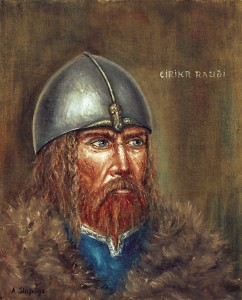
Deciding to set off for Iceland, Erik entrusted his possessions to Thorgest. When his Iceland house was built, Erik returned to Haukadel to retrieve these goods, only to find that Thorgest was claiming to have misplaced them. In the ensuing row, Erik killed Thorgest’s sons and ‘a few other men’.
He went on to found two settlements in Greenland, of which he declared himself chieftain. He remained there for the rest of his life, fathering a daughter and three sons.
4. Ingólfur Arnarson
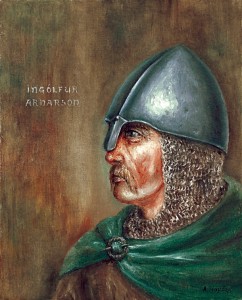
In a grand gesture, when land was sighted, he threw his high-seat pillars (emblems of being a chieftain) overboard, promising to settle wherever the gods decided to bring the pillars ashore. Three years later, two of his slaves located the pillars in the small bay that would later become Reykjavík.
In the meantime, his brother-in-law had been murdered by his Irish slaves because of his ill-treatment of them. Ingólfur hunted them down, and killed them all.
3. Harald Hardrada
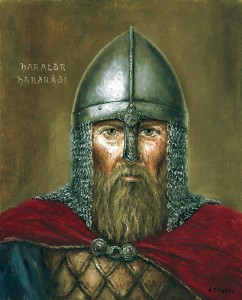
In 1046, Harald returned to Norway, where he took the throne and went about earning himself the nickname Hardrada, meaning ‘hard ruler’. When news reached him that the English king had died, Harald headed for northern England with a force of 300 ships – at the same time as another claimant, William the Conqueror, was about to set out for southern England.
Harald’s forces captured York, but at the Battle of Stamford Bridge he was hit in the throat by an arrow and died.
2. Ragnar Lodbrok
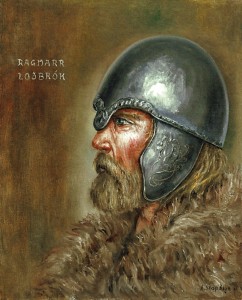
Snake-killing aside, Ragnar spent his life raiding up and down the rivers of France in his longships. French king Charles the Bald was so desperate to curb Ragnar’s plundering that he paid him 7,000 pounds of silver not to sack Paris.
Ragnar met his end rather ironically, however, when, while attempting to raid England, he was shipwrecked, captured, and executed by being thrown into a pit of snakes.
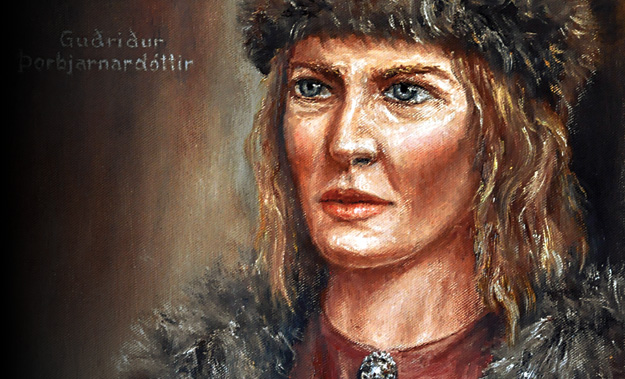
1. Gudrid Thorbjarnardóttir
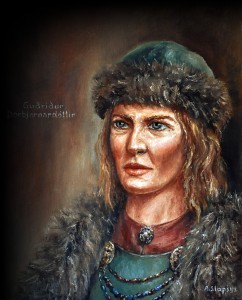
A formidable, independent-minded woman, Gudrid was able to make her mark – even in the male-dominated culture of the Vikings.
This article appeared in issue 55 of Military History Matters.