YOUR MH - Secrets of Hughenden Manor
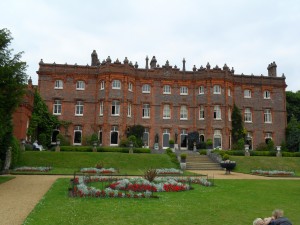
During the Second World War, Hughenden Manor in Buckinghamshire was used as a top-secret base for bomb-target mapping, codenamed ‘Operation Hillside’.
Arthur Harris took over Bomber Command in 1941 and was appalled by the way the airbase was run. He overhauled it and introduced saturation bombing as a military tactic to help win the war. To do this he needed very precise target maps and expert navigators, as well as the precision timing it would take to get 1,000 bombers over the target in under an hour.
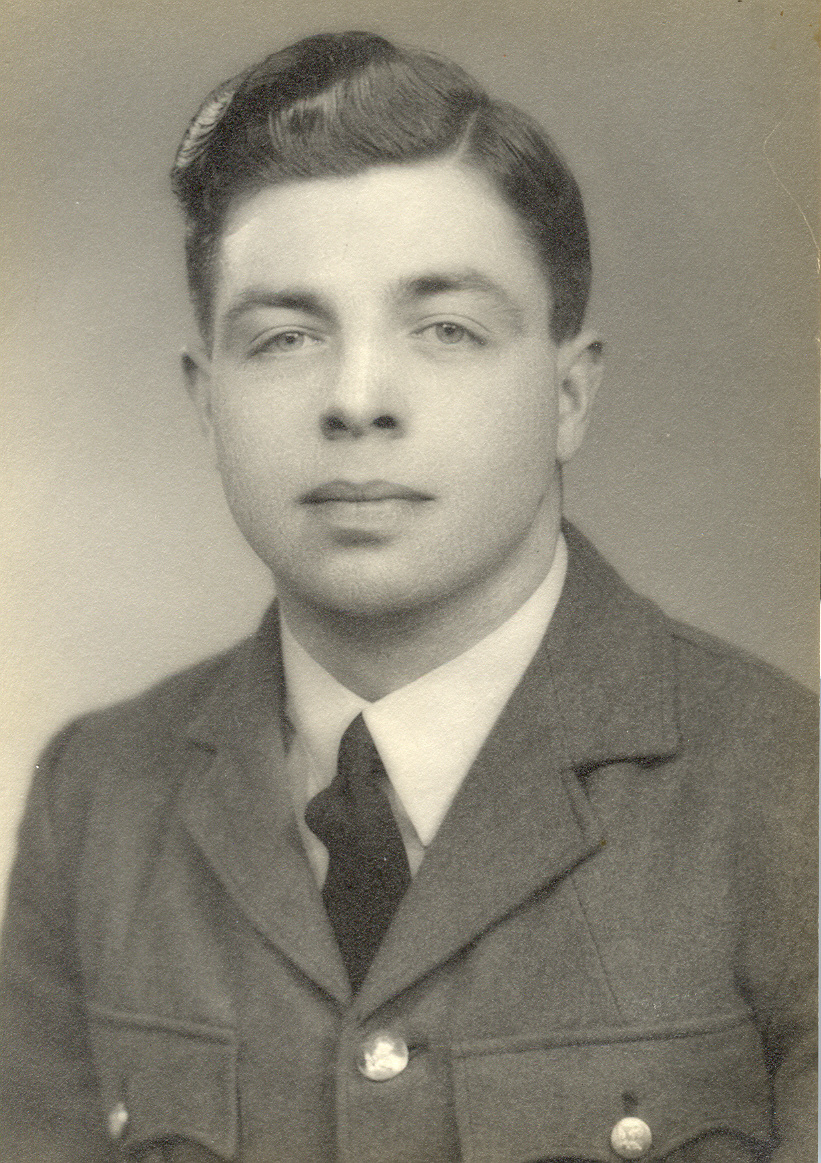
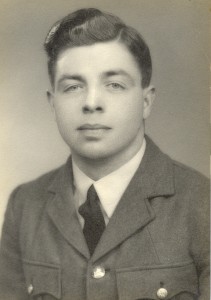
Victor Gregory, who was there from the start, recalls his experiences at Hughenden: ‘I was just 19 and working for a map printing company when I received a call from the RAF in 1941. I was on the point of being called up for military service, so when they asked if I would take a job as a cartographer for a bomb-target mapping operation, I embraced the opportunity knowing it would make good use of my skills.
‘Hughenden Manor was in close proximity to Bomber Command. It had been requisitioned by the Air Ministry and was the obvious choice for the mapping operation, so soon after accepting the position, I joined a small group for a top-secret meeting at the Manor, to discuss Operation Hillside.
‘A recruitment drive for the most talented surveyors, cartographers, and designers ensued. There was a chronic shortage of cartographers, and all staff were sworn to secrecy about their hidden role in the war. Over 100 people were employed altogether, and at 19, I was the youngest member of the RAF team.
‘The Manor played a key role in the bomber offensive. It was an ideal location, hidden away in the woods – near to Bomber Command but hard to spot from the air. There were no military police on guard and no obvious signs that it was being used by the military. That’s how we managed to keep it a secret and that’s how we prevented detection by Hitler’s forces. If the enemy had identified the location ofHillside, they would have destroyed it.
‘German map production was deliberately stopped in 1931, which meant that when the war started, no one had up-to-date maps of Germany. So our first priority was to secure current maps of enemy territory. A fleet of mosquitoes took off from RAF Benson to take photographs of Germany and the photos were sent to Hughenden Manor.
‘We produced leading-edge maps of Germany from aerial photography. This ensured we had information which was right up-to-date. I was in the Revision Drawing Office when I started, and everything we did was top secret. We all worked on a ‘need to know’ basis and this meant no-one knew what happened in other departments. I was the exception, because during my time at Hillside, I worked in all sections – I was keen to learn new skills and always volunteered when opportunities came up.
‘The checking section was my favourite department. Mistakes could cause real problems if a bomber plane turned up and things weren’t as expected, so a checking section was formed in 1943. Working there was interesting, but I was telling men twice my age that they’d made mistakes and they didn’t like it. They thought I was a young upstart, so we just put it right within the department – it was quicker and easier.
‘Fortunately we were off at weekends, which gave us the chance to recharge our batteries. The work was harrowing because we had to look at the damage caused by the bombs and sometimes targets were revisited to ensure they’d knocked out what they were aiming for. We saw terrible devastation and some people were very upset by it.
Top secret
‘We were all living in private billets and couldn’t tell the military police where we were stationed. This situation caused some conflict until we were issued with special passes, and the police didn’t ask any questions after that.
‘It was so secret that when we were picked up to be taken to a meeting, the driver couldn’t tell us where we were going! But the secrecy was necessary because we had a good idea of when the bomb targets would be hit. Information falling into the wrong hands could have been devastating.
‘Our tactics were working – saturation bombing proved to be hugely successful. The Germans were totally overwhelmed and enormous damage was done to their military bases and fortifications.
‘Flying bomb sites were sought out and bombed to devastation. We discovered about 120 different sites where the Germans were building concrete ramps to launch their flying bombs in France and the Low Countries. They were using slave labour to construct them. We waited until they’d finished and then we bombed the ramps, destroying them completely! People complained about Bomber Command, but many lives were saved by our bombers destroying enemy targets.
‘Our maps were vital to the success of the RAF bombing campaign. Our targets included the Ruhr Valley Dams (attacked in the “Dambusters” raid). We provided bombing support for the D-Day landings. And we played a role in the destruction of the German battleship Tirpitz.’
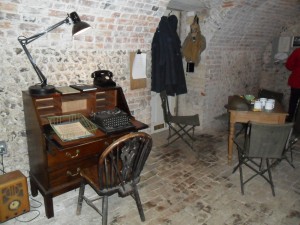
In 1944 Victor was called to a secret meeting in Londonto discuss his role in Operation Foxley, a British military plan to assassinate Hitler. Victor was tasked with drawing a map of Hitler’s mountain retreat, The Berghof, in the Bavarian Alps. On 25 April 1945, the bombing of The Berghof took place and considerable damage was inflicted, but British forces were frustrated to learn that Hitler was in the safety of his Berlin bunker at the time. Five days later, however, Hitler committed suicide.
Commenting on the other wartime activities that Hillside supported, Victor said: ‘We took part in Operation Manna which supplied food to the starving Dutch population in 1945, and we created maps of a Gestapo prison outside Amiens, enabling Mosquito pilots to blow the walls so the prisoners could escape to freedom.
‘At the end of the European war I was posted to Mountbatten’s headquarters and started a target map-production centre in Delhi, India. I was there from 1945 until September 1946.’
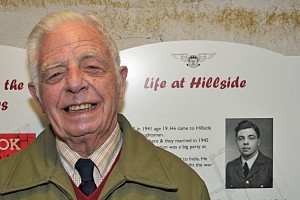
Victor celebrated his 90th birthday in April and says only a few veterans from Hillside are still alive: ‘When, in 2003, I walked into the Manor for the first time in 60 years, I felt the ghosts of my old colleagues were still there with me.’
An exhibition at Hughenden Manor documenting its wartime history was unveiled on Monday 25 April 2005. This date marked the final bombing raid by the RAF on the Eagles Nest at Berchtesgaden in April 1945. Until recent years, little was known about the top secret wartime activities at Hughenden. Now many historians agree that the target maps produced at the Manor between 1941 and 1945 played a major role in Bomber Command’s success during the war.